
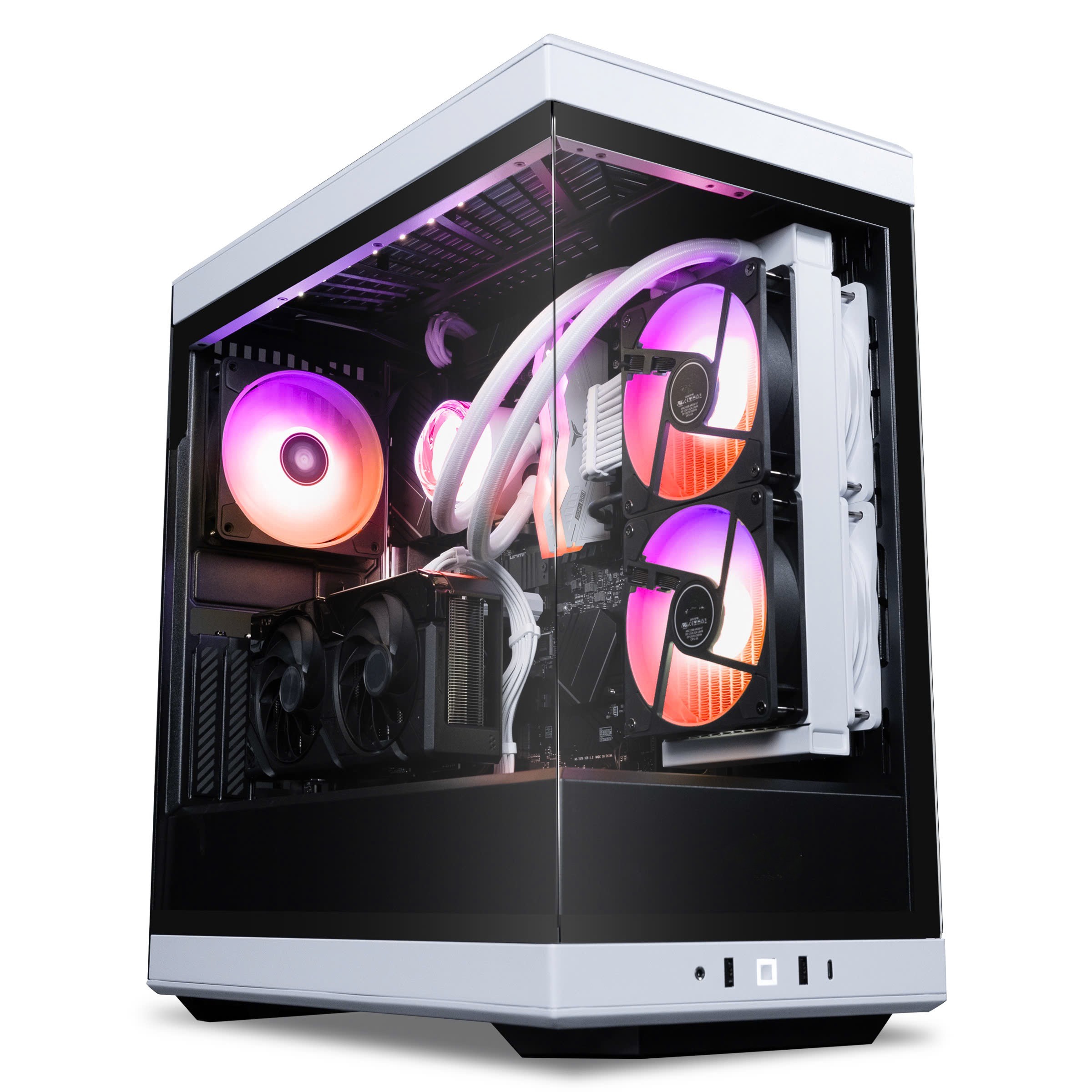
Every PC business gets returns. The difference is what happens next. Left alone, returned units pile up, tie up cash and teach you nothing. Handled well, they get back into circulation — and tell you how to build better.
The returns loop
- Intake: the unit arrives and is logged against its RMA.
- Diagnosis: a technician finds out what actually happened — faulty part, shipping damage, or no fault found.
- Repair or refurbish: the system is fixed, fully retested and prepared to go back out.
- Recover: if a unit can’t return to service, usable components are recovered.
- Report: patterns are shared so the root cause can be fixed on the line.
Where storage fits in
Because returns and finished stock live under the same roof, a refurbished unit can go straight back into inventory — no extra shipments between a repair shop and your warehouse.
What you get out of it
- Faster turnaround for customers waiting on a replacement
- Value recovered instead of written off
- Real data on why units come back
Drowning in RMAs? Tell us your monthly return volume and we’ll show you how we’d handle it.